


Millions of Muslims worldwide re-establish a close connection with the Quran during Ramadan. Hearts soften, spiritual habits strengthen, and recitation increases. As a result, many people spend more time reflecting on faith, complete the Quran, and join night prayers. However, when Eid al-Fitr approaches and Shawwal begins, maintaining that regularity becomes difficult. Consequently, the lovely habit of reciting the Quran often fades as daily routines resume and motivation declines.
what are the spiritual momentum of ramadan ?
It refers to the inner change and behaviors that develop naturally in this month. In other words, it acts like a spiritual “boost” that makes worship simpler, more consistent, and more meaningful. Key elements include: stronger Quran connection daily tilawah becomes routine; growing understanding and introspection; and a deeper emotional bond.worship becomes regular five daily prayers on time, extra Taraweeh, and frequent dhikr building discipline and self-control (taqwa). Fasting trains restraint over food, drink, anger, and bad habits, which reinforces God-consciousness. Finally, the search for Laylat al-Qadr inspires deep devotion, dua, good deeds, forgiveness, night worship, and reflection.
Why Quran Habits fade after ramadan?
Quranic practices tend to disappear not because faith weakens, but because the structure, setting, and intensity of Ramadan are no longer there. During Ramadan, the whole day revolves around suhoor → fajr → Quran, and daytime fasting naturally creates space for reflection; iftar, Maghrib, and Taraweeh automatically slow worldly activity. After Eid al-Fitr, however, that timetable ends. Without a set routine, recitation can become erratic. In addition, school and work resume fully, responsibilities expand, and free time shrinks.
As a result, Quran time is often replaced by daily duties. the unique spiritual atmosphere of Ramadan increased motivation and close relationship with Allah fades. Community encouragement also drops: mosques empty, families stop praying together, and friends’ reminders lessen. Consequently, maintaining the same energy becomes harder, consistency drops, and goals set in Ramadan can feel unrealistic later.
What is the importance of continuing in shawwal?
Maintaining good habits in Shawwal matters because it decides whether Ramadan’s growth was temporary or lasting. In fact, Shawwal is more than the next month; it acts as a test of consistency, a bridge to the rest of the year, and a chance to turn short-term habits into permanent ones. For example, fasting six days of Shawwal multiplies rewards, while steady Quran recitation builds true istiqamah (consistency), keeps the heart spiritually alive, and protects against returning to old patterns. Ultimately, it strengthens your relationship with the Quran, tests sincerity, and helps prevent the “Ramadan-only Muslim” mindset.
Why Online Quran Classes Are the Perfect Solution?
Online cloud education lessons have become a highly effective way to maintain and even grow Quran practice after Ramadan, especially in Shawwal. Specifically, they combine convenience, discipline, and professional supervision to help students of all ages stay consistent and motivated.
Flexibility to Fit Your Schedule
One of the hardest tasks after Ramadan is fitting Quran recitation into regular life with school, work, and family duties. To address this, online cloud education let you choose your own times, learn from home, and skip travel. In addition, if you miss a session, you can watch the recording later. As a result, even a hectic schedule won’t derail progress.
Access to Qualified Teachers Anywhere.
Not everyone lives near a qualified instructor. Fortunately, online cloud education connect you with professional teachers worldwide. This means you can learn proper Tajweed, receive personalized help, and correct mistakes quickly before bad habits set in.
Structured Learning
A common reason Quran habits fade is the lack of clear goals. To counter that, online cloud education provide a curriculum matched to your level: beginners master Arabic letters and simple phrases; intermediate students focus on Tajweed and fluency; advanced learners work on Hifz (memorization) and Tafsir (understanding). Consequently, structured lessons create steady advancement and prevent stagnation.
Accountability & Motivation
When you study alone, it’s easy to skip Quran practice. By contrast, online cloud education provide scheduled sessions with teachers, regular performance feedback, and peer encouragement in group meetings. As a result, you stay consistent even when motivation dips.
Personalized Learning Experience.
Every student learns differently. Therefore, online cloud education offer one-on-one attention, customized pacing based on your abilities, and focused work on areas where you struggle. Consequently, learning stays efficient and frustration free.
Keeps spiritual momentum alive.
Ramadan creates strong spiritual momentum. To sustain it, online cloud education helps you maintain daily recitation, enforce Tajweed rules, memorize regularly, and reflect on meaning. In turn, this prevents the spiritual relapse that often follows Ramadan.
Cost-effective and convenient.
Traditional programs may need transportation, higher tuition, and limited teacher options. Online cloud education, however, cuts travel costs, offers flexible payment plans, and connects you with many teachers and resources. Thus, Quranic learning becomes more accessible.
what are the types of online Quran classes?
Online cloud education Quran lessons come in several formats, each designed for specific goals reading, memorizing, or understanding the Quran. Here are the main types.
Basic Quran Reading Classes for Beginners:
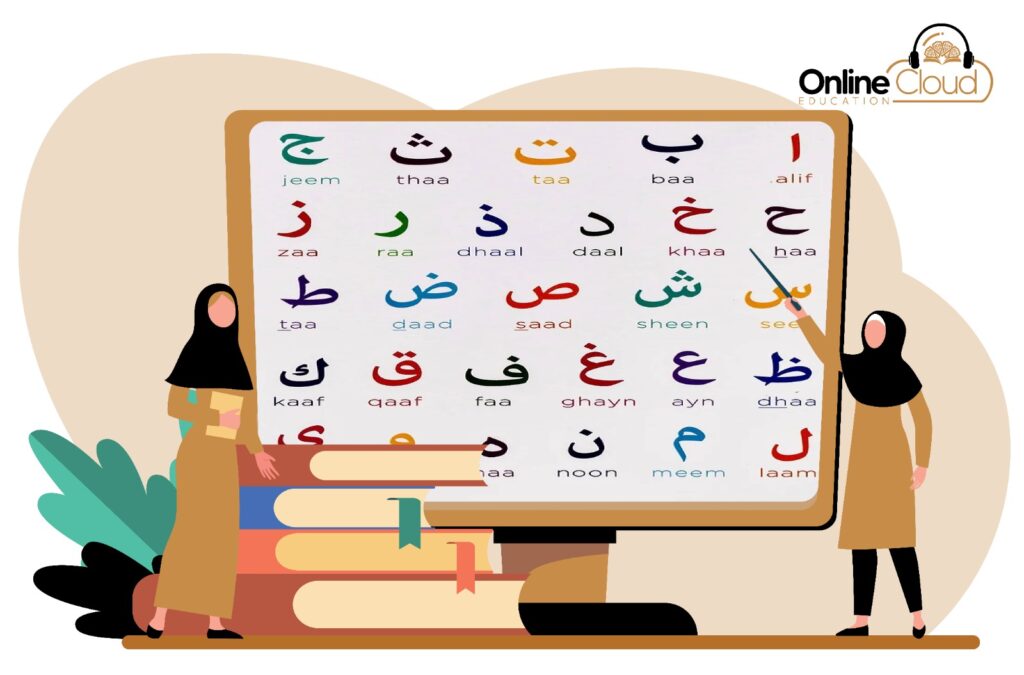
For those new to Arabic or the Quran, these classes teach the Arabic alphabet, correct pronunciation, letter combinations, and fluent reading.
Tajweed Classes (Recitation Rules):
To help students recite with classical pronunciation, they cover makharij (articulation points), sifaat (letter qualities), rules like ikhfa, idghaam, and qalqalah, and how to recite slowly with proper rhythm.
Hifz (Memorization) Classes:
For pupils aiming to memorize the Quran, lessons focus on techniques, daily portions (juz or hizb), revision schedules, and regular testing to ensure retention.
Tafsir (Quranic Understanding) Classes:
If you want to go beyond recitation, these classes explain verses, reasons for revelation (asbab al-nuzool), and themes and lessons drawn from the Quran.
Islamic Lessons:
One of Islam’s beautiful teachings is that small, consistent actions outweigh large, irregular ones. Accordingly, these classes cover topics such as tarbiyah (character building), stories of the prophets, and daily duas.
what are the benefits of online Quran classes?
Particularly after Ramadan and throughout Shawwal, online cloud education Quran courses provide a powerful way for students to learn, grow, and stay consistent with the Quran. Key benefits include:
Learn From Anywhere.
The main advantage is accessibility: there’s no need to travel to a madrasa or mosque. Instead, you can study from home or anywhere worldwide. This makes Quranic learning ideal for students with busy schedules and removes many obstacles.
Flexible timing
Online cloud education let you choose morning, evening, or weekend classes that fit your life. Moreover, sessions can be rescheduled and recordings accessed later. As a result, you can balance study with school or work and maintain consistency.
Access to Qualified Teachers.
You gain direct connection to certified instructors regardless of location, ensuring proper guidance and Tajweed correction.
Structured Learning System
Online cloud education generally have a specific curriculum: Beginner to higher levels, Step-by-step progression and Regular evaluations. This format allows pupils to grow steadily and without misunderstanding.
Personalized attention.
online cloud education provide one-on-one meetings. Lessons customized to your level, Focus on your weak points and Faster improvement This is very useful for youngsters and novices.
How to Build a post ramadan Quran routine?
Building a post-Ramadan Quran routine entails transforming Ramadan’s spiritual impetus into an easy, long-term daily habit especially when Shawwal begins. The idea is not to accomplish as much as you did during Ramadan, but to be consistent throughout the year. Here’s a useful, step-by-step guide:
Reset Your Intention (Niyyah).
Begin by reminding yourself: You’re reading the Quran for Allah. You seek consistency, not perfection. Small actions are cherished when done on a regular basis. A true aim keeps your program going even when inspiration wanes.
Start small and realistic.
Do not strive to equal your Ramadan level right away. Instead: Start with ½ or 1 page everyday. Or even 5-10 minutes every day. Make it so simple that you can’t skip it.
Set a daily time
Consistency is made simpler when attached to a definite time. Best times: After Fajr (calm and focused) After Maghrib Before sleep Choose a certain time and stick to it every day.
Attach it to an existing habit.
This is known as “habit stacking.”For example: After prayer, read the Quran. Before bedtime, read a few passages. This means it’s automated, not voluntary.
Set weekly goals.
Instead of large monthly objectives, concentrate on tiny weekly targets: 5–7 pages each week One short surah memorized Review the preceding recitation. Small accomplishments boost confidence.
Attend Online Quran Classes.
One of the most effective methods to maintain consistency is via responsibility. Online cloud education can assist you: Stay disciplined, Get rectified in Tajweed. Follow a defined plan. They are very useful for keeping your schedule after Ramadan.
Join now
After Ramadan, are you ready to continue your spiritual journey? Enroll in our online cloud education today to keep a strong contact with the Quran throughout the year. Our professional instructors provide specialized one-on-one sessions for both children and adults that improve Quran recitation, teach proper Tajweed, aid students in memorizing surahs, and widen their understanding of Islamic principles. Thanks to interactive online sessions and flexible scheduling, you may study from the comfort of your own home at any time that suits you. Our planned courses are designed to help you improve at every stage, regardless of your level of expertise. Join today to start building a connection with the Quran that will last a lifetime for you and your family.
Conclusion
Maintaining your relationship with the Quran after Ramadan is one of the most telling markers of genuine spiritual progress. The fortunate month may have passed, but its goal was to establish habits that would continue well beyond it particularly in Shawwal and throughout the year. Online cloud education offer the ideal support system to keep you consistent, motivated, and led. With flexible schedules, skilled teachers, and organized study, they make it simpler than ever to stick to your Quranic habit and improve every day. Remember that success is not achieved by doing everything at once, but rather by doing something on a regular basis. Even a few minutes of daily recitation may deepen your faith, offer you calm, and eventually improve your life.
Frequently Asked Questions (FAQs)
Why is it vital to continue reciting the Quran after Ramadan?
Continuing Quran recitation after Ramadan helps you retain the spiritual connection you formed during the month. It transforms transient into a lasting habit, enhancing your relationship with Allah.
How can I maintain consistency in my Quran reading during Shawwal?
Begin small, establish a daily schedule, and keep your goals reasonable. Even reading a few verses a day might help you stay consistent and keep your Ramadan momentum.
What are online Quranic courses?
Online Quran lessons are virtual learning sessions in which students study Quran recitation, Tajweed, memorization, and comprehension via the internet with trained tutors.
Are online Quranic lessons effective?
Yes, they are quite effective. They offer organized instruction, personalized supervision, and flexibility, allowing students to maintain consistency and enhance their reciting abilities.
Who may take online Quran classes?
Anyone can participate: Children are learning basic reading. Students improve reciting and Adults beginning or continuing their Quranic journey. Beginners need not have any prior expertise.
What are the requirements for enrolling in online Quran classes?
You only need: A smartphone, tablet, or laptop, Internet connection,The Quran (physical or digital)
How much time should I devote daily?
Even 10-20 minutes each day is sufficient if done consistently. Small, regular efforts provide better benefits than large, sporadic sessions.
Can I learn Quran online as a beginner?
Absolutely. Many sessions are developed exclusively for beginners, beginning with Arabic alphabet and fundamental pronunciation.
What happens if I skip a class?
Most online programs provide flexible scheduling or recorded classes, allowing you to catch up without falling behind.
How might online classes assist after Ramadan?
Motivation frequently declines following Eid al-Fitr. Online programs offer discipline, responsibility, and frequent practice, allowing you to stay on track.
Are online Quran lessons appropriate for hectic schedules?
Yes, they are meant to be flexible, allowing you to select times that work with your daily schedule.
How long does it take to show improvement?
With consistent practice, most students find improvements in: Fluency in just a few weeks, Tajweed in just a few months. Consistency is essential.
Can I memorize the Quran online?
Yes, many programs include Hifz (memorization) classes with defined planning, revision schedules, and teacher help.
What is the greatest advantage of taking online Quran classes?
The main advantage is consistency. Regular lessons help you develop a regular habit and keep your connection to the Quran after Ramadan.