


Every year, countless Muslims worldwide anticipate Ramadan, a holy month for fasting, prayer, charity, and deep spiritual reflection. During these thirty days, believers renew their connection with Allah, strengthen their faith, and study the Quran. Consequently, mosques fill with worshippers, nights turn to prayer, and hearts soften through remembrance of Allah. However, when Eid al‑Fitr arrives and Ramadan ends, many Muslims struggle to maintain that same level of spiritual commitment. Thus, a common question emerges: how can we sustain the spiritual momentum gained during Ramadan?
One way to bridge Ramadan and Shawwal is through online cloud education Quran classes. Specifically, these classes help Muslims keep a strong bond with the Quran, uphold worship practices, and continue learning and spiritual growth.
How Understanding Ramadan as a Spiritual Training Ground
Ramadan serves as more than just a month of fasting. it acts as a comprehensive spiritual training program designed by Allah to purify the soul and strengthen faith. During Ramadan, Muslims fast from dawn to sunset, pray at night (Taraweeh and Tahajjud), recite the Quran daily, give charity, develop self‑control and patience, and remember Allah frequently.
The Quran explicitly states the goal of fasting: “O you who believe, fasting has been prescribed for you… so that you may attain Taqwa (God‑consciousness).” Therefore, Taqwa represents Ramadan’s ultimate objective, encouraging continuous awareness of Allah in all aspects of life. Ramadan is much more than simply one month of fasting. It is a comprehensive spiritual training program devised by Allah to purify the soul and enhance the faith. During Ramadan, Muslims fast from dawn to sunset, pray at night (Taraweeh and Tahajjud), recite the Quran daily, exercise charity and generosity, develop self-control and patience, and remember Allah more often.
What Is the Emotional Shift After Ramadan?
Many Muslims experience a noticeable change in feelings and spiritual energy once Ramadan ends. During Ramadan, believers actively engage in worship, discipline, and communal activities. However, after Eid and the start of Shawwal, that intense spiritual mood gradually fades, triggering various emotional and spiritual adjustments. First, people often feel spiritual emptiness. Because Ramadan centers life around fasting, prayers, Quran recitation, charity, and night worship, ending the month removes these patterns and creates a sense of loss. Consequently, many Muslims miss the serene atmosphere and closeness to Allah they enjoyed. Additionally, Ramadan’s unique aura family gatherings for suhoor and iftar, packed mosques for Taraweeh, and widespread charity becomes hard to recreate the rest of the year. When normal schedules resume, individuals may long for that powerful spiritual environment.
Next, worship motivation typically declines. After Ramadan, the desire for extra devotional acts often drops, leading to what some call the post‑Ramadan blues, a mild melancholy because the special month has passed.
How Shawwal Serves as the First Step After Ramadan?
Shawwal helps Muslims transition from Ramadan’s intensive practices to steady, year‑round devotion. Rather than breaking away from spirituality, Shawwal continues Ramadan’s teachings, allowing believers to preserve momentum in worship, discipline, and their relationship with Allah. For example, Eid al‑Fitr the joyous holiday marking Ramadan’s end opens Shawwal. On that day, Muslims thank Allah for the strength and patience they showed during fasting. Moreover, Eid reminds believers that, although Ramadan concludes, their spiritual journey continues.
Muslims view the six‑day fast in Shawwal as an extension of Ramadan. According to Prophet Muhammad (SAW), those who fast throughout Ramadan and then fast six days in Shawwal earn the reward of fasting a full year. Thus, Islam promotes regular worship rather than occasional bursts of devotion. In fact, Shawwal marks the transition from Ramadan’s intensive training to a year‑long test of consistency. Consequently, believers shift from a month of daily spiritual focus to maintaining those routines on ordinary days. Moreover, Shawwal reminds Muslims to keep the Quran as a daily companion, even though many complete it during Ramadan. To maintain this link, they can continue reciting, studying, or enrolling in programs like online cloud education.
How to Build a Spiritual Bridge Between Ramadan and Shawwal?
Creating a spiritual link means preserving the positive habits formed in Ramadan instead of abandoning them afterward. While Ramadan teaches discipline, worship, and Allah‑awareness, Shawwal offers a chance to deepen those practices daily. Therefore, Muslims can extend Ramadan’s benefits by making deliberate efforts throughout the year. For example, many people increase or finish Quran recitation in Ramadan, yet that habit often drops sharply afterward. To counter this, believers should recite a few lines or a page every day rather than aiming only for long passages.
Additionally, frequent Quran reading strengthens one’s relationship with Allah and keeps the heart spiritually alive. During Ramadan, Muslims pray more regularly and attentively, and mosques fill for night prayers. After Ramadan, continuing the five daily prayers on time remains crucial for growth. Furthermore, adding optional prayers such as Sunnah or occasional night prayers bolsters faith and preserves the intimacy with Allah felt during Ramadan. Ultimately, building a bridge involves consistent prayer, Quran recitation, fasting, charity, remembrance of Allah, and ongoing Islamic learning, allowing believers to carry Ramadan’s blessings into everyday life
How Online Quran Classes Offer a Modern Path to Spiritual Consistency?
Today’s fast‑paced world makes it hard for many Muslims to keep spiritual integrity. Work schedules, school demands, family duties, and digital distractions all compete for time, so believers often miss regular religious study. While Ramadan pushes many to reconnect with the Quran and improve prayer, maintaining that momentum afterward requires organization and dedication.
Online cloud education steps in as a modern solution. It blends traditional Islamic learning with technology, giving people of all ages an accessible, flexible, and organized way to stay connected to the Quran year‑round. Specifically, these workshops help long‑term spiritual growth by:
- Creating a structured learning routine
- Making Quran study available anywhere
- Offering flexible scheduling for modern lifestyles
- Providing personalized, one‑on‑one attention
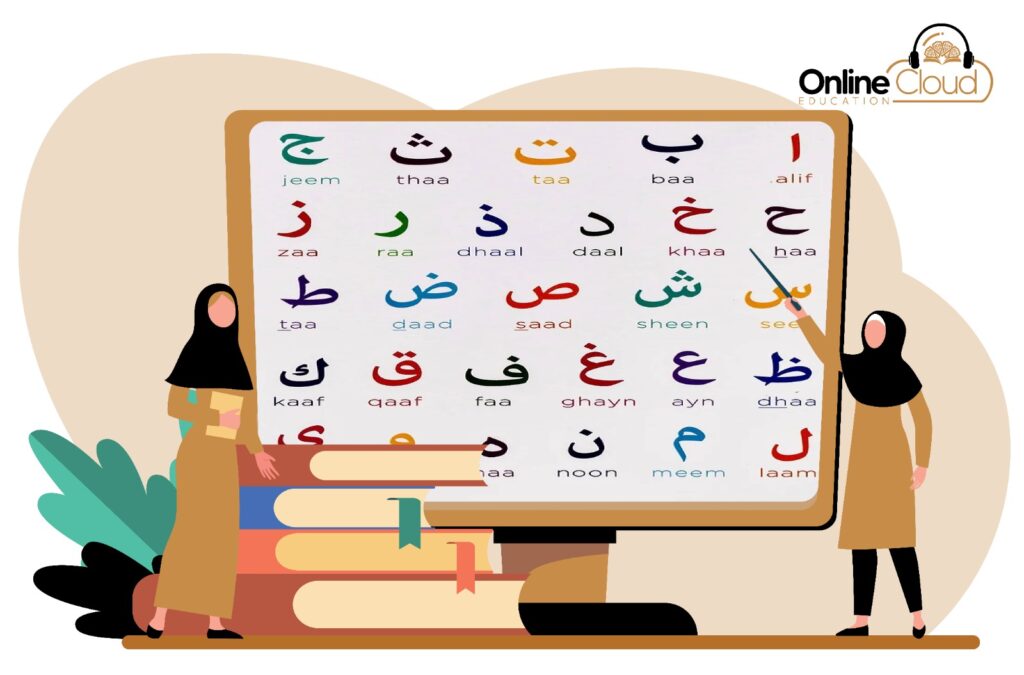
- Improving recitation with proper Tajweed
- Encouraging lifelong Quran learning
- Building accountability and motivation
- Supporting children’s Islamic education
- Strengthening family spiritual life
- Connecting global Muslim communities
- Helping maintain Ramadan’s spirit
- Reducing barriers to Islamic education
How Muslims Strengthen Faith Through Online Quran Classes?
Muslims strengthen their faith by enrolling in online Quran classes, a practical and accessible way to preserve and grow their connection to Islam. After Ramadan’s spiritually uplifting experience, many believers seek methods to continue learning and uphold the practices they developed during the holy month. By joining online cloud‑education platforms, they stay connected to the Quran’s teachings and Prophet Muhammad’s (SAW) guidance. These platforms offer organized settings that foster ongoing spiritual growth. Specifically, consistent recitation, mastering Tajweed pronunciation, understanding Quranic lessons, and maintaining regular study habits all reinforce faith. Consequently, long after Ramadan ends, Muslims keep growing spiritually and maintaining their Quranic bond with the help of experienced instructors and flexible study options.
Why Online Quran Classes Matter After Ramadan?
Online cloud education prove crucial for Muslims who want to continue spiritual development once Ramadan concludes. During Ramadan, believers intensify prayer, meditation, and Quran recitation, but many struggle to sustain that discipline afterward. Throughout the year, online cloud education classes provide a disciplined, encouraging approach to keep studying and deepen the Quran relationship. For example, they encourage regular recitation, ensuring the Quran remains part of daily life rather than a once‑a‑year focus. Under a teacher’s supervision, students follow a set schedule, reinforcing their bond with the Quran and reminding them that its teachings apply to everyday situations. Additionally, these classes often teach Tajweed, helping learners improve pronunciation, correct errors, and gain confidence in reading accurately an enhancement that strengthens reverence for the Quran.
Strengthening Family Spirituality Through Online Quran Classes
Online cloud education bring Islamic education directly into the home, encouraging families to grow in faith together. Because hectic schedules and daily obligations often prevent family members from attending classes outside, parents and children can now interact with the Quran daily without leaving the house. Consequently, families that prioritize joint Quran study create an uplifting atmosphere where Islamic principles integrate into everyday life. Moreover, parents strengthen their own Quranic relationship by sitting with their kids, listening to recitation, and encouraging practice.
As members motivate one another to improve recitation, memorize verses, and understand Quranic lessons, they deepen family ties. After class, families often discuss the lectures, reflecting on values such as compassion, patience, honesty, and gratitude then applying them in daily interactions. Over time, regular online sessions establish meaningful practices like family recitation, daily prayers, and reviewing memorized surahs. Thus, online cloud education transforms the home into a hub of ongoing study, reflection, and spiritual growth, making Quran education a shared endeavor rather than an individual one.
Conclusion
Ramadan should mark the beginning, not the end, of your spiritual growth. Instead, treat the holy month as a launchpad for lasting devotion, reflection, and Quranic connection. Therefore, Muslims must preserve the discipline they built during Ramadan as they move into Shawwal and the rest of the year. Online cloud education offer a practical, efficient way to maintain that bond; they provide regular study routines, flexible timetables, personal coaching, and global access. In addition, these courses improve recitation and comprehension, steadily nurturing faith in both adults and children.
Families that prioritize Quran education at home, study together, and encourage one another create a spiritually caring environment, strengthening moral values and religion. Over time, consistent Quran memorization moves beyond Ramadan into daily life. Ultimately, dedication, perseverance, and guidance forge a bridge from Ramadan to Shawwal and beyond. Online classes support believers in keeping the Quran’s light alive in their hearts year‑round.
Join now
After Ramadan, are you prepared to carry on with your spiritual journey? Enroll in our online cloud education now to maintain a close relationship with the Quran all year long. For both kids and adults, our skilled instructors offer individualized one-on-one classes that enhance Quran recitation, teach correct Tajweed, assist students memorize surahs, and broaden their comprehension of Islamic concepts. You may study from the comfort of your home at a time that works for you thanks to interactive online sessions and flexible scheduling. Our organized courses are intended to help your advancement at every stage, regardless of your level of experience. Join today to begin developing a connection with the Quran that will last a lifetime for both you and your family.
FAQs
What does it mean to construct a spiritual connection between Shawwal and Ramadan?
Instead of ceasing immediately after Eid, it means carrying on the discipline, acts of prayer, and relationship with Allah that were formed during Ramadan until Shawwal and beyond.
Why is Shawwal crucial following Ramadan?
Shawwal keeps the spiritual flow going. The Ramadan spirit is sustained by practices such as fasting for six days during Shawwal and consistently reciting the Quran and praying.
What are Shawwal’s six fasts and what is their reward?
Shawwal’s six voluntary fasts can be observed at any point of the month. According to the Prophet (SAW) fasting for six days of Shawwal after Ramadan is equivalent to fasting for the entire year.
What are the benefits of taking online Quran courses after Ramadan?
Online cloud education offer stability, direction, and organization. They assist you: Continue reciting the Quran every day, Enhance your pronunciation of Tajweed and Maintain your spiritual drive.
Are beginner-friendly online Quran courses appropriate?
Indeed, they are made for learners of various skill levels. Numerous programs provide flexible scheduling and individualized instruction.
After Ramadan, how frequently should I go to Quran classes?
For regularity, three to five times a week is ideal. You may maintain your relationship with the Quran with even two consistent sessions each week.
What if I lose motivation after Ramadan?
This is common. You can: Set small, realistic goals, Join online cloud education classes for accountability and Stay connected with a learning community
Can children benefit from online cloud education classes after Ramadan?
What is the best time to continue Quran learning?
Choose a time when you’re most focused early morning (after Fajr) or evening. Consistency matters more than timing.
Is it necessary to have a teacher for Quran learning?
While self-study helps, a teacher ensures correct pronunciation (Tajweed), proper understanding, and steady progress.