


Why Quran Recitation Holds Special Significance in the First Ashra
Quran recitation holds special significance in the ramadan first Ashra. The Quran was revealed in Ramadan, thus making its recitation a direct connection to the month’s core blessing. Additionally, during the ramadan first Ashra, Allah’s mercy descends abundantly, and reciting the Quran with reflection (tadabbur) amplifies rewards manifold. For instance, reciting verses about Allah’s compassion (e.g., Surah Al‑Fatihah, Surah Ar‑Rahman) invites mercy and aligns hearts with seeking rahmah. Furthermore, Quran recitation purifies the soul by cleansing sins and softening the heart, preparing believers for deeper forgiveness in the second Ashra. Also, every letter recited in Ramadan multiplies rewards, bringing exponential hasanat (good deeds), especially in these mercy‑filled days.
The Significance of the First Ashra
the first ten days of Ramadan set the tone for the entire month. In other words, just as a strong foundation supports a building, a spiritually focused beginning strengthens the Ramadan journey. Therefore, these days remind believers of Allah’s beautiful names: Ar‑Rahman (The Most Merciful) and Ar‑Raheem (The Especially Merciful). Mercy is the gateway to forgiveness and salvation. Before we seek pardon, we seek mercy. Before we ask for protection, we seek compassion. And there is no better way to seek Allah’s mercy than by connecting deeply with His words the Quran.
Ramadan and the Quran: An Unbreakable Bond
Allah says in Quran:
Allah reveals the Quran in the month of Ramadan, providing mankind with guidance and clear proofs of guidance and criterion. Moreover, Allah commands whoever sees the new moon to fast the month; also, He allows an ill or traveling person to fast an equal number of other days. Furthermore, Allah intends to make things easy for you and does not want to cause you hardship, and He wants you to complete the period and glorify Him for guiding you; finally, you may become grateful.”
Next, Ramadan is the month of revelation. Indeed, Allah first revealed the Quran during Laylat al‑Qadr (the Night of Decree), thus making this month inseparable from the Book of Allah. Also, when you recite the Quran during Ramadan, especially in the first Ashara, then you align yourself with the purpose of this sacred month.
How Quran Recitation Unlocks Divine Mercy
The Quran Is a Source of Mercy
First, the Quran is a source of mercy. In fact, Allah describes the Quran as “a healing and a mercy for the believers” (17:82). Additionally, every letter you recite earns reward, and every verse you understand brings guidance. Moreover, in the first ten days, when mercy is especially emphasized, then consistent recitation invites tranquility and spiritual elevation.
It Softens the Heart
Recitation softens the heart. Indeed, the Quran melts hardened hearts and awakens dormant faith. When you recite with sincerity, it increases humility, also strengthens gratitude, and enhances patience. Furthermore, deep reliance on Allah’s mercy descends upon open hearts, and the Quran opens those hearts.
It Multiplies Rewards
Ramadan is a month of multiplied rewards. The Prophet ﷺ taught that every good deed is multiplied many times over. Reciting even a small portion daily during the first Ashara can bring immense spiritual benefit.Imagine beginning your Ramadan by building a strong connection with the Quran this momentum carries you through the entire month.
Practical Ways to Dedicate Yourself to Quran Recitation
Set a Clear Goal
Aim to complete the entire Quran once during Ramadan one Juz per day If that feels overwhelming, commit to half a Juz daily Even a few pages daily with consistency is powerful.Consistency is more beloved than intensity without continuity.
Create a Sacred Routine
Recite after Fajr when the mind is fresh read before Iftar for spiritual reflection spend quiet time after Taraweeh reviewing verses. Make the Quran the anchor of your daily Ramadan schedule.
Recite with Tajweed
Proper pronunciation enhances the beauty and reward. Join onlinecloudeducation focused on Tajweed during Ramadan first Ashra to perfect your recitation.
Focus on Reflection (Tadabbur)
Don’t rush. Reflect on: Allah’s attributes, Stories of the Prophets, Promises of mercy and warnings, Lessons about patience and gratitude Understanding brings transformation.
Make Dua for Mercy
During the first Ashara, frequently recite:
“Rabbi ighfir warham wa anta khayrur-raahimeen.” (My Lord, forgive and have mercy, and You are the Best of the merciful.) Combine Quran recitation with heartfelt supplication.
Spiritual Benefits You Will Notice
Increased inner peace, Stronger self-discipline, More mindful prayers, Emotional clarity, A deeper love for Allah the Quran doesn’t just change your Ramadan it changes you.
Building Momentum for the Rest of Ramadan
The ramadan first Ashara is like planting seeds. When nurtured through Quran recitation the second Ashara (forgiveness) becomes more meaningful.the third Ashara (salvation from Hellfire) becomes more attainable.A strong beginning creates a powerful ending.
conclusion
The first ten days of Ramadan are a divine invitation an open door to mercy. The Quran is the key.Don’t let these precious days pass without reconnecting deeply with the Book that was revealed for your guidance, healing, and salvation.Start today.Open the Qur’an.Recite with intention.Reflect with humility.And allow divine mercy to envelop your heart.May Allah grant us the ability to honor the first Ashara with sincere devotion and grant us His infinite mercy. Ameen.
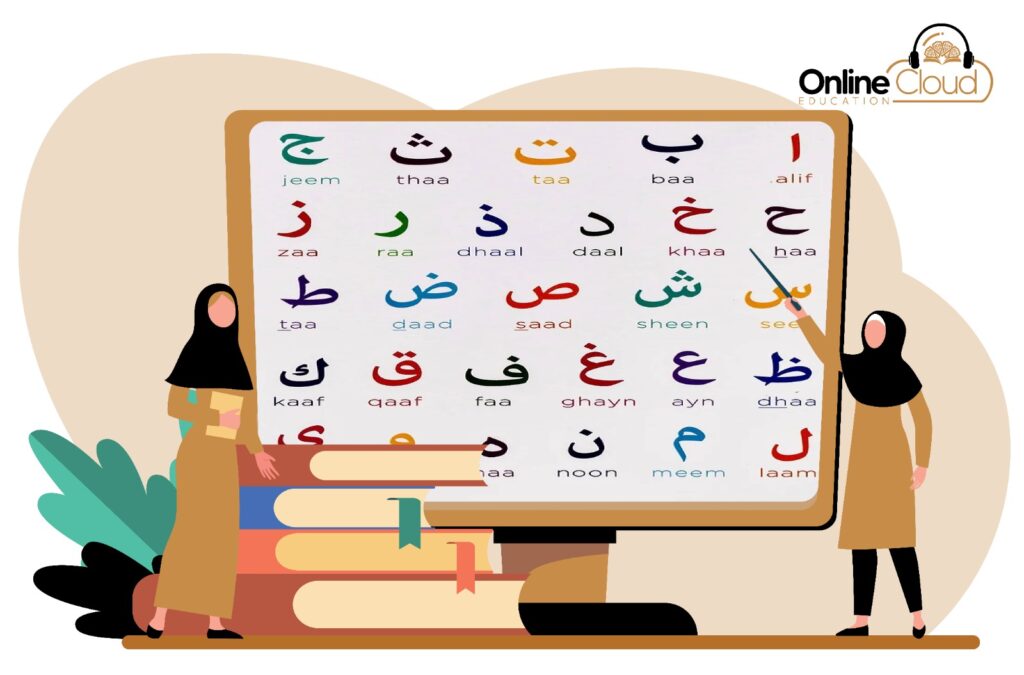
The ramadan first Ashra is the perfect time to renew your relationship with the Quran. Whether you are a beginner learning Noorani Qaida or an advanced student aiming for Khatam-ul-Quran, these days set the tone for a transformative Ramadan. At onlinecloudeducation, we offer special Quran recitation courses with experienced female and male teachers, one-to-one sessions, and flexible timings. Enroll now for a free trial and start receiving Allah’s mercy through beautiful Tilawat. May Allah accept our recitations, shower His rahmah upon us, and make this Ramadan our best yet. Ameen.
FAQs
What is the First Ashara of Ramadan?
The First Ashara of Ramadan refers to the first ten days of the holy month, known as the Days of Mercy (Rahmah). During this period, Muslims focus on seeking Allah’s mercy through fasting, prayer, and increased recitation of the Quran.
Why is the First Ashara important in Ramadan?
The First Ashara is important because it sets the spiritual foundation for the entire month of Ramadan. It is believed to be a time when Allah’s mercy is abundantly bestowed upon believers who sincerely worship and seek forgiveness.
How does Quran recitation bring mercy in the First Ashara?
Quran recitation brings mercy because Allah describes the Quran as guidance and healing for believers (Quran 2:185). Reading and reflecting upon the Quran during the First Ashara strengthens faith, purifies the heart, and invites divine blessings.
How much Quran should I read during the First Ashara?
Many Muslims aim to read at least one Juz per day to complete the Quran during Ramadan. However, even reading a few pages daily with sincerity and reflection during the First Ashara can bring immense spiritual reward.
Can I receive rewards for listening to the Quran in Ramadan?
Yes, listening attentively to the Qur’an during Ramadan brings reward and spiritual benefit. However, actively reciting the Quran increases engagement and allows deeper reflection during the Days of Mercy.
What dua should be recited during the First Ashara of Ramadan?
A recommended dua during the First Ashara is:
“Rabbi ighfir warham wa anta khayrur-raahimeen”
(My Lord, forgive and have mercy, for You are the Best of the merciful.)
This supplication aligns with the theme of mercy in the first ten days.
Why is Ramadan connected to the Quran?
Ramadan is the month in which the Quran was first revealed, as mentioned in Quran 2:185. This is why Muslims increase Quran recitation and reflection throughout the holy month, especially during the First Ashara.
What are the benefits of starting Ramadan with dedicated Quran recitation?
Starting Ramadan with consistent Quran recitation:
-
Strengthens spiritual discipline
-
Increases focus in prayer
-
Deepens connection with Allah
-
Builds momentum for the rest of the month
A strong First Ashara often leads to a more meaningful Ramadan experience.